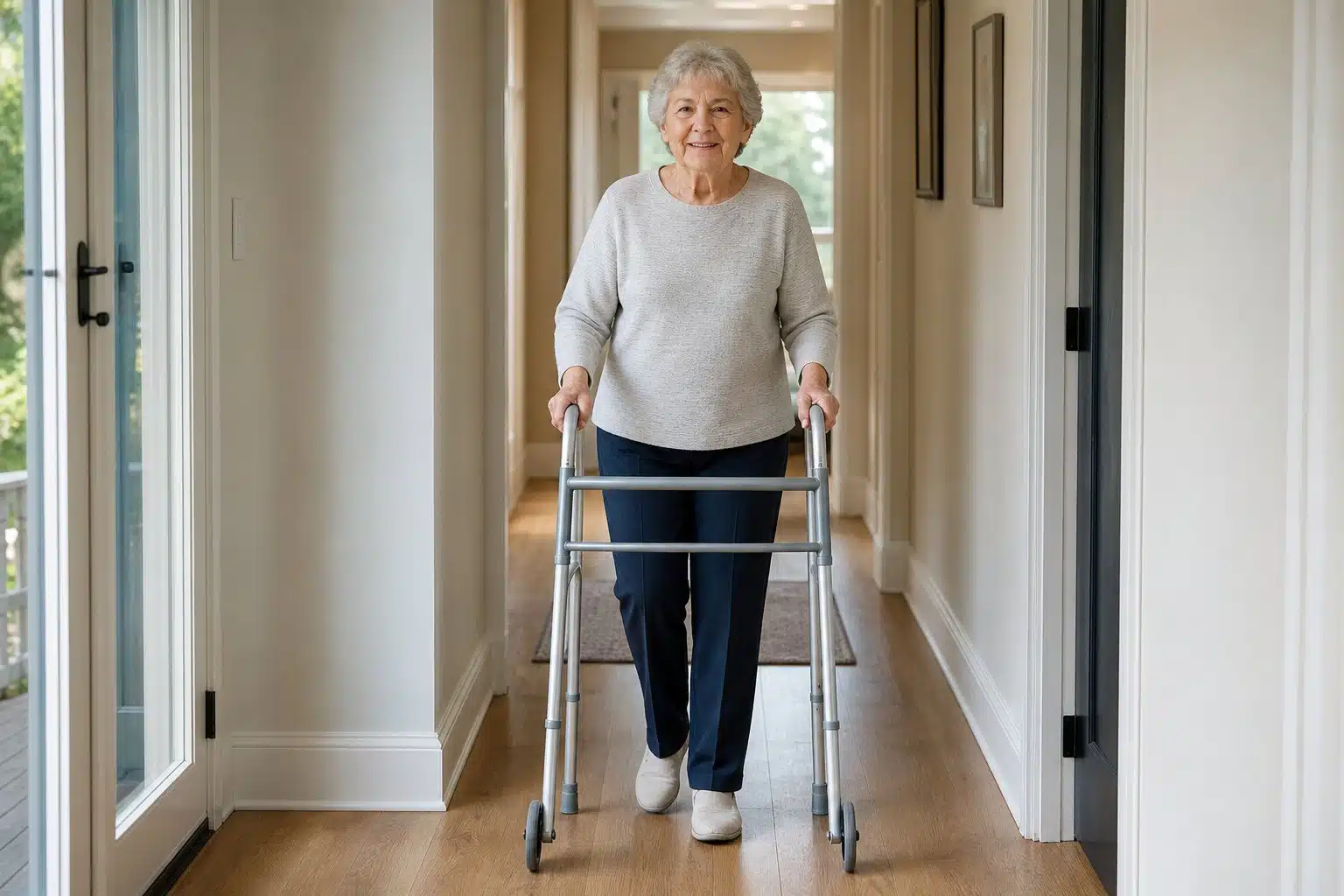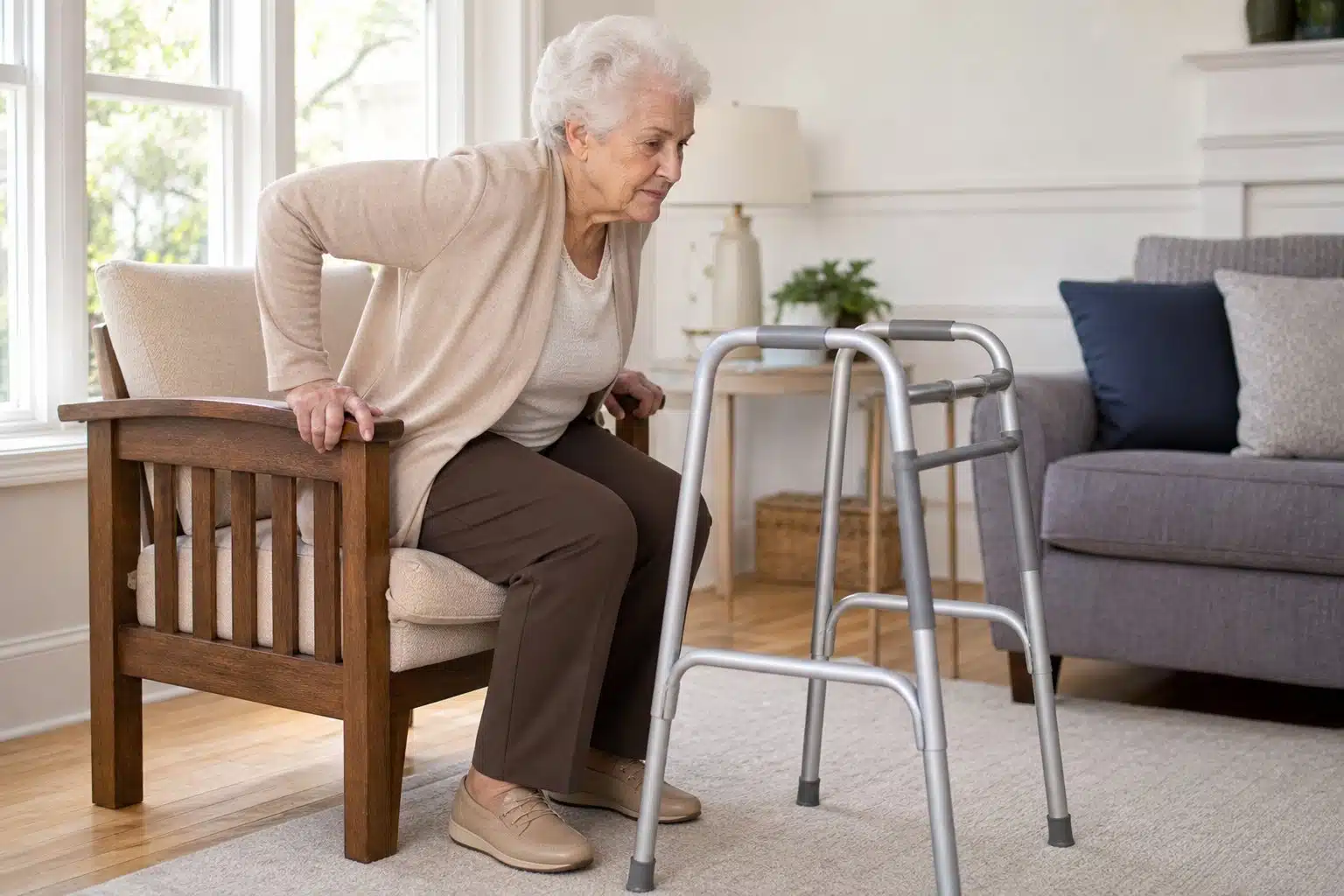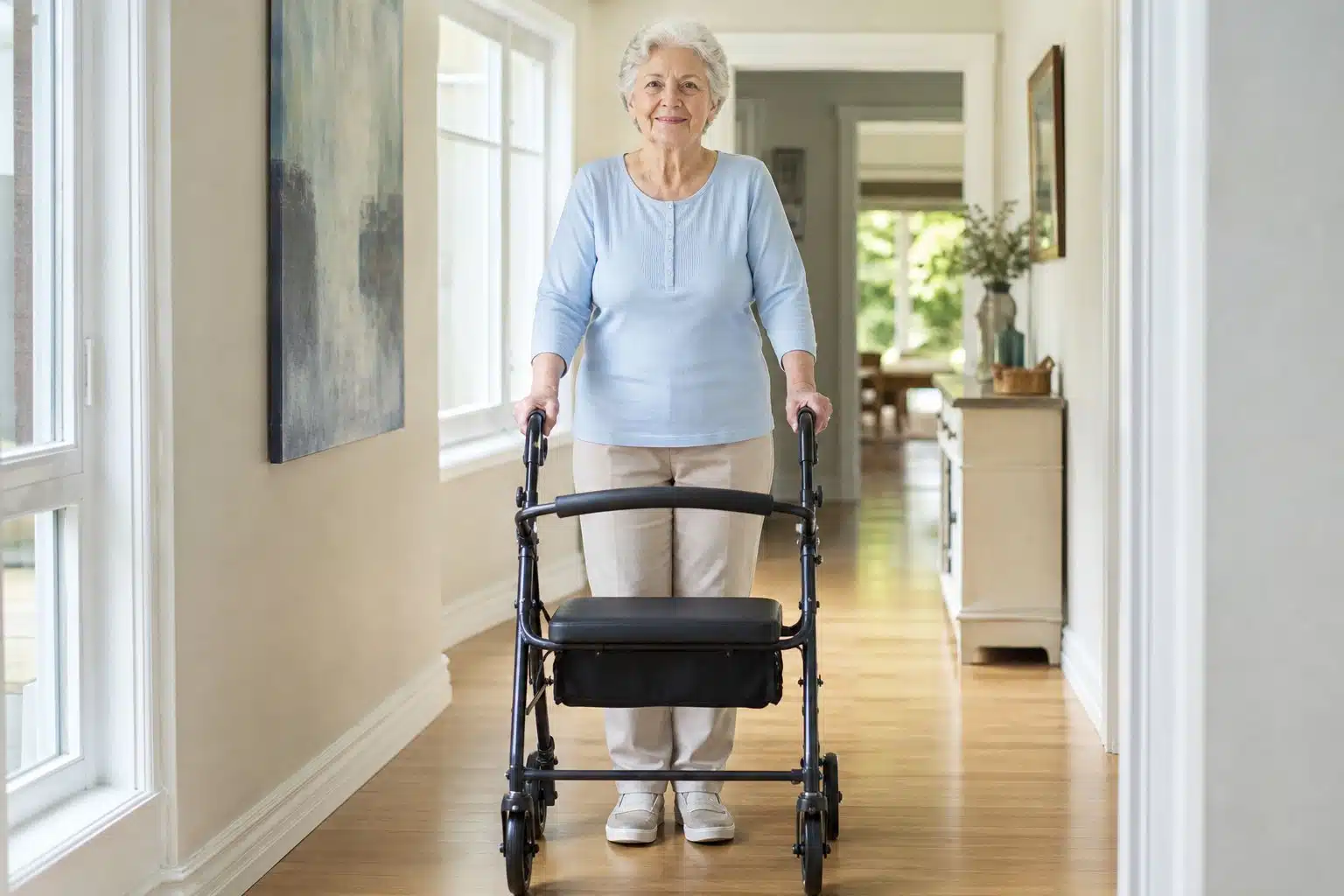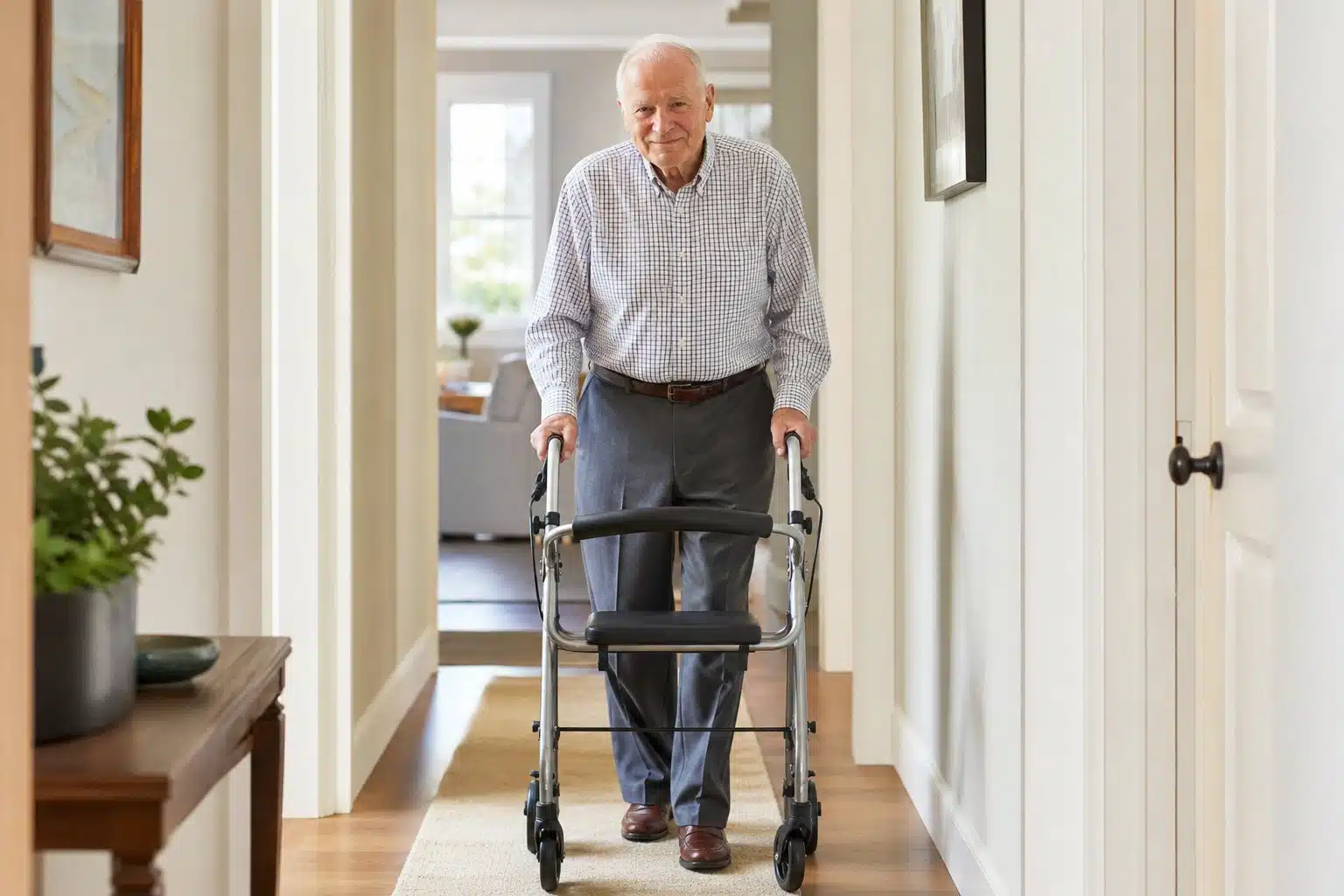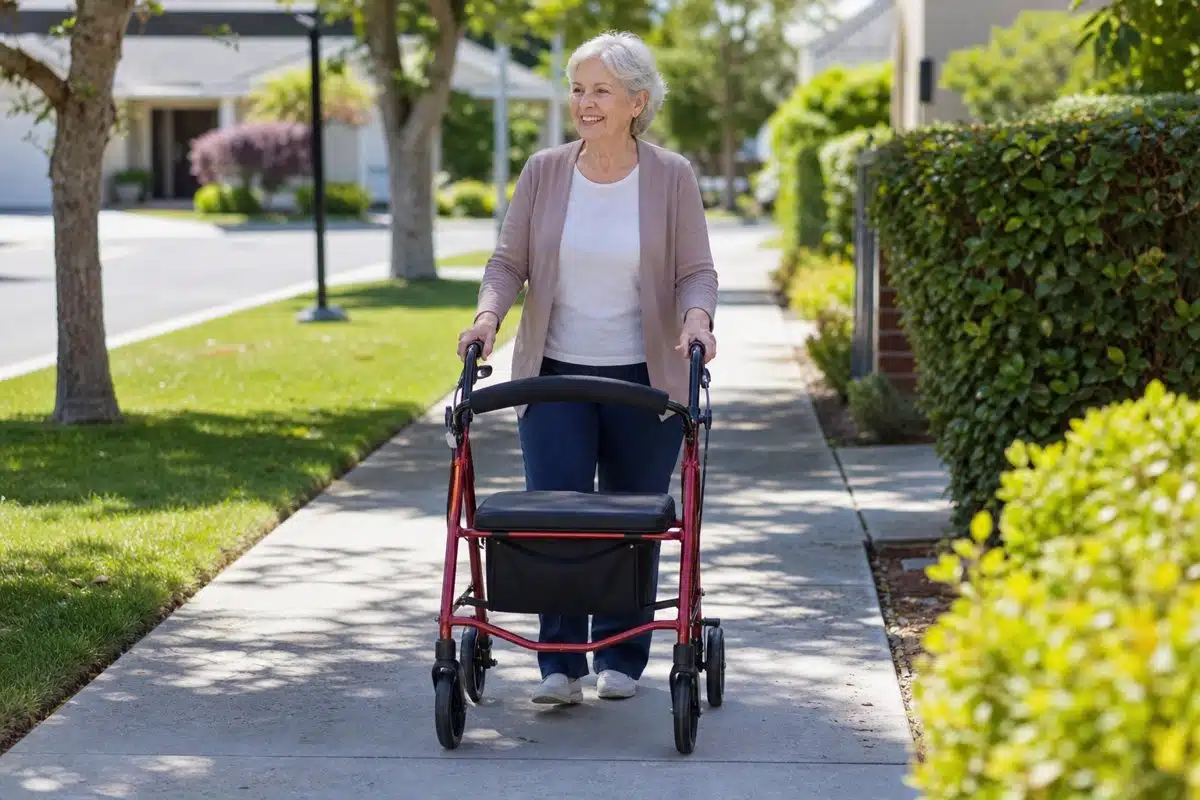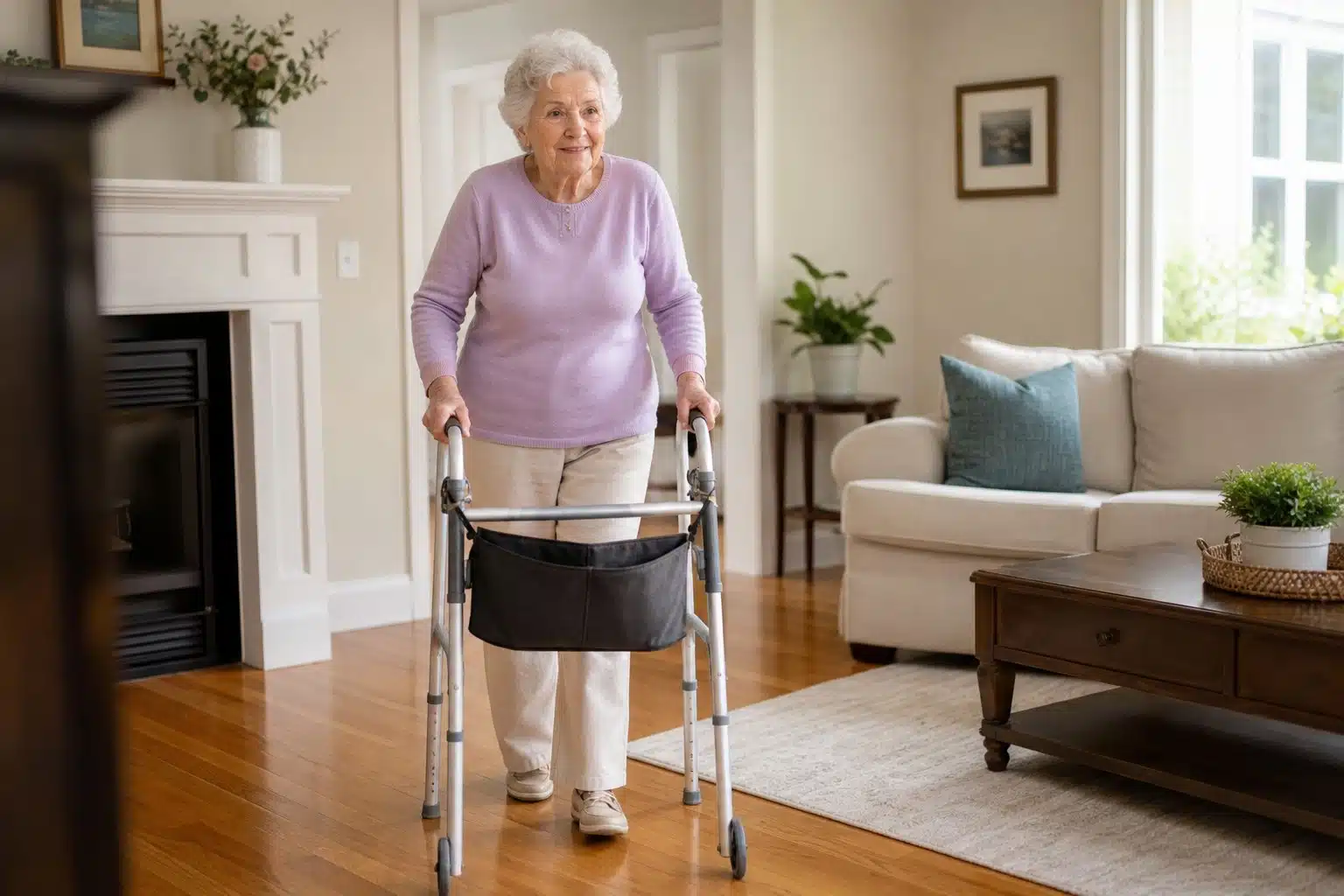

A Home Safety Checklist for Seniors is one of the easiest ways to spot everyday hazards before someone gets hurt. Whether you’re an older adult living independently or helping aging parents, this practical guide covers 25 safety checks based on recommendations from the CDC, National Institute on Aging, and other trusted US safety organizations.
Most homes have a few hazards that go unnoticed. A loose rug in the hallway, poor lighting near the stairs, or a slippery bathroom floor might seem harmless until someone loses their balance.
The good news? Many home safety improvements cost very little. Some are completely free.
I’ve organized this checklist room by room, so you can work through your home without feeling overwhelmed. You’ll also find a printable checklist near the end.
Home Safety Checklist for Seniors: Quick Overview
Before going through each room, here’s a quick look at common home safety products and where they can help.
| Safety Equipment | Best For | Price Tier |
|---|---|---|
| Bathroom grab bars | Support when entering showers and using toilets | Budget to mid-range |
| Shower chairs | Seniors who struggle to stand while bathing | Budget to mid-range |
| Non-slip bath mats | Reducing slips on wet bathroom floors | Budget |
| Toilet safety rails | Support when sitting down and standing up | Budget to mid-range |
| Motion-sensor night lights | Improving visibility during nighttime bathroom visits | Budget |
| Stair handrails | Providing support when using stairs | Mid-range |
| Medical alert systems | Requesting assistance during emergencies | Mid-range to premium |
You don’t need every product on this list. The right choices depend on the person’s mobility, balance, home layout, and daily routine.
How to Choose Home Safety Equipment for Seniors
Before spending money on safety equipment, take a walk around the home and identify where problems occur.
Consider mobility and balance
Think about the activities that have become more difficult.
Does getting out of a chair require several attempts? Is stepping into the bathtub uncomfortable? Does someone hold onto furniture while walking through the house?
These observations help identify which improvements matter most.
For example, someone who struggles to stand throughout a shower may benefit from a shower chair. A person who feels unsteady getting off the toilet may need properly installed grab bars or toilet safety rails.
If falls have already occurred, a healthcare professional or occupational therapist can help assess the risks.
Check product stability and weight limits
Safety equipment needs to support the person using the product.
Check manufacturer weight limits, installation requirements, and compatibility with the home.
Wall-mounted grab bars must attach to suitable structural supports. Suction handles aren’t appropriate substitutes for securely mounted grab bars when someone needs weight-bearing assistance.
For shower chairs, check that all four feet sit securely on the shower floor.
Think about everyday convenience
A safety product is only helpful when someone can use the product comfortably.
Avoid equipment that blocks doorways, makes cleaning difficult, or creates another tripping hazard.
Simple improvements are often the most practical.
Bathroom Safety Checklist for Seniors
Bathrooms are a sensible place to begin your home safety assessment.
Wet floors, slippery surfaces, and the need to sit or stand in confined spaces can increase fall risks.
1. Install secure bathroom grab bars
Grab bars provide additional support when entering a shower, stepping out of a bathtub, or using the toilet.
Install grab bars where the person naturally needs support.
Common locations include beside the toilet, near the shower entrance, and along the shower wall.
Choose products intended for permanent bathroom installation and follow the manufacturer’s mounting instructions.
Don’t rely on towel rails for body support. They’re designed to hold towels, not someone’s weight.
For help choosing suitable products, read our [INTERNAL LINK: Best Bathroom Grab Bars for Seniors].
2. Consider a shower chair
Standing for several minutes in a shower can be difficult for seniors with arthritis, muscle weakness, or balance problems.
A shower chair allows someone to wash while seated.
Look for adjustable legs, non-slip feet, and a seat that fits comfortably inside the shower.
Some models include backrests and armrests for additional support.
If stepping over the bathtub wall is difficult, a transfer bench may be a better option.
Read our [INTERNAL LINK: Best Shower Chairs for Seniors With Limited Mobility] for more information.
3. Add non-slip bathroom surfaces
Bathroom floors become slippery when wet.
Choose a suitable non-slip mat that stays flat and secure against the floor.
Inside the shower or bathtub, consider a non-slip surface designed for wet conditions.
Avoid loose mats that slide underfoot.
Check mats regularly for wear, curled edges, and trapped moisture.
4. Make the toilet easier to use
Low toilet seats can make sitting down and standing up uncomfortable.
Toilet safety rails provide hand support during these movements.
A raised toilet seat may also help, although the correct height depends on the user’s needs.
Check that any equipment is secure before use.
Avoid installing accessories that make transferring from a wheelchair more difficult.
5. Improve bathroom lighting
A poorly lit bathroom increases the risk of missing a step or failing to notice water on the floor.
Install bright, comfortable lighting that clearly illuminates the toilet, shower entrance, and floor.
Consider motion-sensor night lights for nighttime bathroom visits.
Keep frequently used toiletries within easy reach so nobody needs to climb or stretch.
Bedroom Safety Checklist for Elderly Adults
Bedrooms should provide a safe environment for sleeping, dressing, and moving around at night.
Small changes can make a considerable difference, particularly for seniors who wake frequently to use the bathroom.
6. Keep walkways clear
Remove shoes, storage boxes, electrical cables, and other obstacles from the floor.
Make sure there’s a clear route between the bed, bedroom door, and bathroom.
If someone uses a walker or wheelchair, allow enough room to move comfortably.
Avoid placing small furniture along frequently used routes.
7. Install motion-sensor night lights
Walking through a dark bedroom can be dangerous, especially when someone has just woken up.
Motion-sensor night lights illuminate the floor automatically.
Place them near the bed, bedroom doorway, hallway, and bathroom entrance.
Choose lighting that’s bright enough to reveal obstacles without producing uncomfortable glare.
Battery-powered models can be useful where electrical outlets aren’t conveniently located.
8. Check the bed height
A bed that’s too high or too low can make getting in and out difficult.
Ideally, the person should be able to sit securely on the mattress edge with their feet supported on the floor.
Check that the bed frame is stable.
Be cautious with portable bed rails. Some products create entrapment risks, particularly for people with limited mobility or cognitive difficulties.
Ask a healthcare professional before using bed rails as transfer aids.
9. Keep essential items within reach
Place frequently used items close to the bed.
A bedside table can hold glasses, a telephone, drinking water, and a lamp.
Avoid placing these items where someone must lean excessively or get out of bed to reach them.
Keep emergency contact information accessible.
Living Room Home Safety Checklist
Living rooms often contain furniture, decorative rugs, cables, and other objects that create unnecessary obstacles.
Take a walk through the room and look at the space from the perspective of someone using a walking aid.
10. Remove loose rugs and electrical cables
Loose rugs are common tripping hazards.
Remove rugs that slide, curl at the edges, or bunch up underfoot.
Secure electrical cables away from walking routes.
Avoid running extension leads across the floor.
If rugs must remain, check that they have suitable non-slip backing and lie completely flat.
11. Choose supportive seating
Very low sofas and soft armchairs can make standing difficult.
Choose chairs with firm seats, stable frames, and supportive armrests.
The person should be able to place their feet comfortably on the floor while seated.
For seniors with significant mobility difficulties, a properly selected rise-and-recline chair may help with sitting and standing.
12. Create clear walking routes
Move furniture to provide wide, unobstructed pathways.
Pay attention to coffee tables, footstools, decorative stands, and side tables.
Someone using a walker should have enough room to move without turning sideways or catching the walking aid on furniture.
Keep commonly used routes consistent rather than frequently rearranging furniture.
13. Improve living room lighting
Good lighting helps older adults identify furniture edges, changes in floor level, and other obstacles.
Use lamps to brighten darker corners.
Replace failed light bulbs promptly.
Avoid placing lamps where cables cross walking routes.
Light switches should be accessible from entrances and frequently used seating areas.
Stair Safety for Older Adults
Stairs require particular attention because falls on staircases can cause serious injuries.
14. Install secure handrails
Handrails provide support when climbing and descending stairs.
Where practical, install handrails on both sides of the staircase.
Check that existing handrails are firmly attached and don’t move when pressure is applied.
Repair loose brackets immediately.
A handrail should be easy to grip throughout the staircase.
15. Keep stairs free from clutter
Never use stairs as temporary storage.
Shoes, laundry baskets, parcels, and other objects can create dangerous obstacles.
Check that carpet edges are secure.
Repair loose flooring and damaged stair treads.
Avoid loose stair runners that move underfoot.
16. Improve stair lighting
Every step should be clearly visible.
Install lighting that illuminates the entire staircase.
Light switches should be accessible at both the top and bottom.
Motion-activated lighting may help, provided the stairs become fully illuminated before someone starts using them.
17. Consider alternatives when stairs become difficult
If using stairs has become uncomfortable or unsafe, consider whether essential activities can move to the ground floor.
A stairlift may be suitable for some homes.
An occupational therapist can assess the person’s mobility and recommend appropriate adaptations.
Don’t assume a stairlift is automatically the safest choice. The person must also be able to transfer onto and off the seat safely.
Kitchen Safety Tips for Seniors
Kitchens contain hot appliances, sharp objects, electrical equipment, and potentially slippery floors.
A few practical changes can make cooking and preparing meals easier.
18. Store everyday items within easy reach
Keep frequently used plates, cups, pans, and cooking equipment in accessible cupboards.
Avoid storing heavy objects above shoulder height.
Move commonly used items away from low cupboards that require excessive bending.
Never stand on a chair to reach high shelves.
19. Reduce cooking and fire hazards
Keep towels, paper products, and other combustible materials away from cooking surfaces.
Turn saucepan handles inward to reduce the chance of knocking them.
Avoid wearing loose sleeves near gas burners.
Use kitchen timers as reminders.
For someone experiencing memory difficulties, an automatic stove shut-off device may be appropriate.
Make sure any device is compatible with the appliance and professionally installed where necessary.
20. Prevent slips and burns
Clean spills promptly.
Keep kitchen floors dry and free from clutter.
Wear footwear with suitable grip.
Avoid carrying heavy pans filled with hot water.
Check the temperature of hot water and consider appropriate anti-scald protection if needed.
Emergency Preparedness for Seniors
A safe home also needs a plan for unexpected situations.
This becomes particularly important for seniors living alone.
21. Install and test smoke and carbon monoxide alarms
Smoke alarms should be installed inside bedrooms, outside sleeping areas, and on every level of the home.
Carbon monoxide alarms should follow local building requirements and manufacturer guidance.
Test alarms regularly and replace batteries or complete units as required.
For current recommendations, consult the National Fire Protection Association.
22. Keep emergency contacts accessible
Create a printed list of important telephone numbers.
Include family members, caregivers, healthcare providers, and emergency contacts.
Keep a copy near the telephone or another easy-to-find location.
In the United States, call 911 during an immediate emergency.
Make sure the person knows how to contact help using their phone.
23. Consider a medical alert system
Medical alert systems allow someone to request assistance through a wearable button or connected device.
Some systems offer automatic fall detection.
These features don’t identify every fall, so they shouldn’t replace other safety precautions.
Check subscription costs, battery life, coverage, and monitoring arrangements.
Choose a device that the person finds comfortable enough to wear regularly.
24. Review medication safety
Store medications according to the instructions on their labels.
Keep an updated medication list.
Ask a pharmacist about medication organizers or reminder systems if remembering doses becomes difficult.
Never change prescribed medication schedules without professional advice.
Some medicines may affect balance or cause dizziness. Discuss these concerns with a healthcare professional.
25. Prepare for emergencies and power outages
Keep flashlights, spare batteries, and essential supplies accessible.
Have a plan for power outages, severe weather, and other emergencies.
People who rely on electrically powered medical equipment should discuss backup arrangements with their healthcare providers and equipment suppliers.
The Ready.gov emergency preparedness guide for older adults provides additional information.
Printable Home Safety Checklist for Seniors
Use this room-by-room checklist to inspect your home or help an aging parent identify possible safety hazards.
Print the checklist, walk through each room, and tick each box when the safety check is complete.
Bathroom Safety
☐ Grab bars are securely installed where needed.
☐ Shower or bathtub has a suitable non-slip surface.
☐ Shower chair is available if standing is difficult.
☐ Toilet has appropriate support rails if required.
☐ Bathroom lighting is bright enough to see clearly.
Bedroom Safety
☐ Walkways are clear of clutter and electrical cables.
☐ Night lights illuminate the route to the bathroom.
☐ Bed height allows safe sitting and standing.
☐ Telephone and essential items are within easy reach.
Living Room Safety
☐ Loose rugs and trailing cables have been removed or secured.
☐ Chairs provide suitable support when sitting and standing.
☐ Furniture allows clear walking routes.
☐ Lighting makes obstacles easy to see.
Stair Safety
☐ Handrails are secure and easy to grip.
☐ Steps are free from clutter and loose flooring.
☐ Stair lighting works at the top and bottom.
☐ The person can use stairs safely with their current mobility.
Kitchen Safety
☐ Frequently used items are stored within easy reach.
☐ Cooking appliances and surrounding areas are safe.
☐ Floors are dry and free from slipping hazards.
Emergency Preparedness
☐ Smoke and carbon monoxide alarms are working.
☐ Emergency telephone numbers are accessible.
☐ A suitable emergency alert arrangement is in place if needed.
☐ Medications are stored and managed safely.
☐ Emergency supplies and backup arrangements are ready.
Review any unchecked items and prioritize hazards that present an immediate risk.
Which Home Safety Improvements Should You Make First?
Not every home needs the same changes. Your priorities should reflect the person’s mobility, health, and daily activities.
For seniors living independently
Start with the simplest improvements.
Remove loose rugs, clear walkways, improve lighting, and check the bathroom for slipping hazards.
These changes are relatively inexpensive and can address several common causes of falls.
Next, inspect stair handrails and consider whether additional bathroom support is needed.
For seniors with limited mobility
Focus on activities involving sitting, standing, transferring, and walking.
Shower chairs, toilet safety rails, and supportive seating may help.
If the person uses a walker or wheelchair, check doorway widths, furniture arrangements, and bathroom access.
An occupational therapist can recommend suitable equipment and home modifications.
For caregivers helping aging parents
Involve your parent in the assessment.
Ask which activities feel uncomfortable or unsafe. You may find that something you consider a minor inconvenience causes considerable difficulty.
Avoid buying equipment without discussing whether the person will use the product.
Start with the areas causing the greatest concern, then agree on a practical plan for the remaining improvements.
Common Questions About Home Safety for Seniors
What are the most common home hazards for seniors?
Common hazards include loose rugs, poor lighting, cluttered walkways, slippery bathroom surfaces, and unsafe stairs.
These conditions can increase the likelihood of trips and falls, particularly for older adults with reduced mobility or balance difficulties.
How do I make my home safer for elderly parents?
Begin with a room-by-room home safety assessment.
Remove obvious tripping hazards, improve lighting, and check bathrooms and stairs for suitable support.
If your parent has experienced falls or significant mobility changes, ask a healthcare professional about a fall risk assessment.
What are the cheapest home safety improvements for seniors?
Removing clutter, securing electrical cables, and rearranging furniture cost little or nothing.
Affordable equipment such as night lights and suitable non-slip surfaces may also help.
Prioritize changes that address actual hazards rather than buying products simply because they’re marketed for older adults.
How often should I complete a senior home safety assessment?
A practical approach is to review home safety every six months.
Carry out another assessment after a fall, hospital stay, or significant change in mobility, vision, or health.
Check frequently used equipment regularly for damage or loose fittings.
Can seniors with limited mobility continue living independently?
Many older adults with limited mobility can continue living at home with suitable equipment, adaptations, and support.
The appropriate arrangements depend on individual abilities, medical needs, and the home’s layout.
A professional assessment can help determine which changes will improve safety.
Make Home Safety Part of Everyday Living
A safer home doesn’t need to look like a medical facility.
Many useful improvements are straightforward. Remove a loose rug, install better lighting, secure a handrail, or make the bathroom easier to use.
Start with the areas where falls or accidents are most likely. Then work through the remaining items on your Home Safety Checklist for Seniors.
Keep the checklist somewhere accessible and review the home as needs change.
For additional guidance, the CDC’s fall prevention resources and the National Institute on Aging’s room-by-room fall prevention guide offer practical advice for older adults and caregivers.
At Senior Wise Plus, our goal is to help seniors and their families make informed choices about home safety, mobility equipment, and independent living.