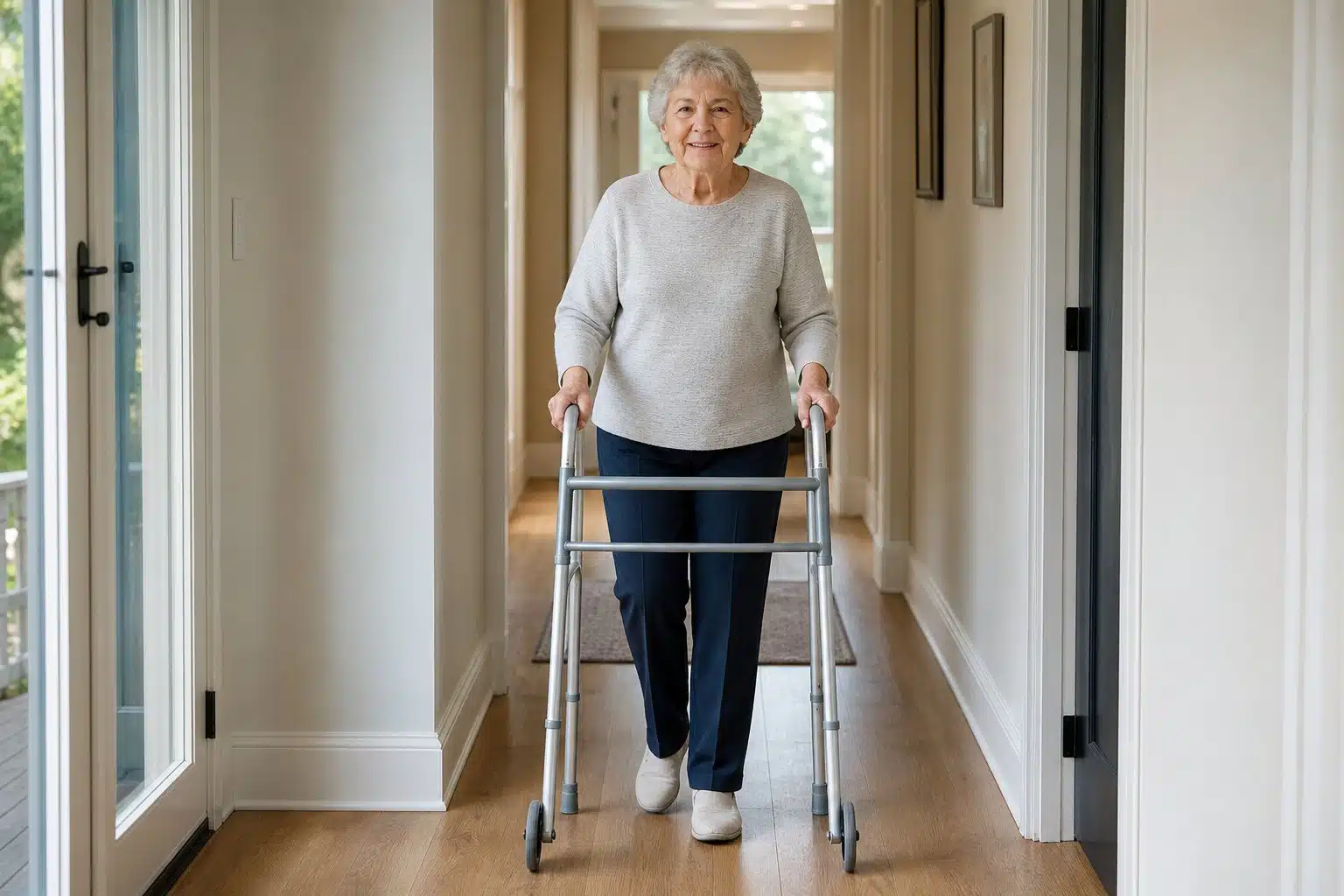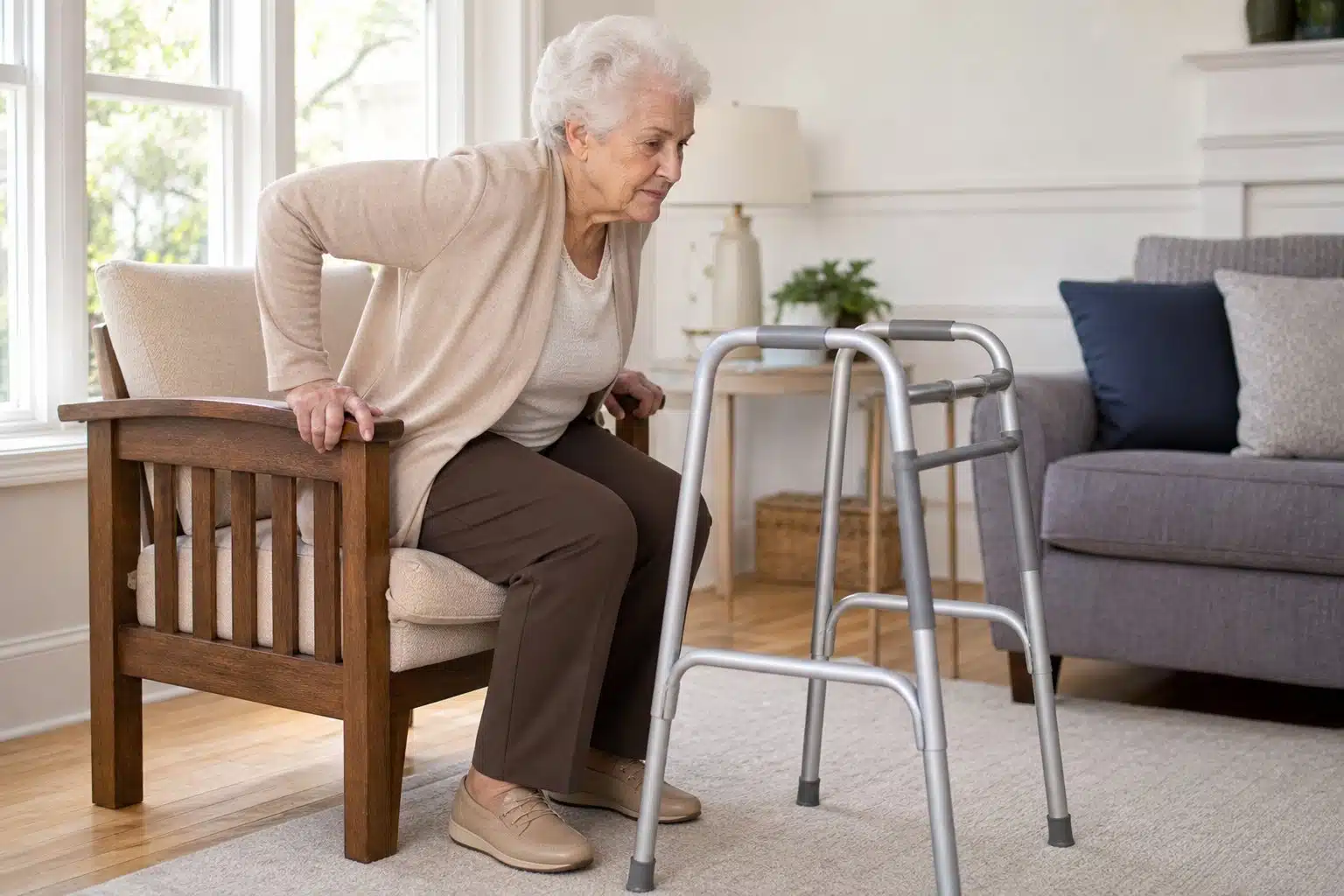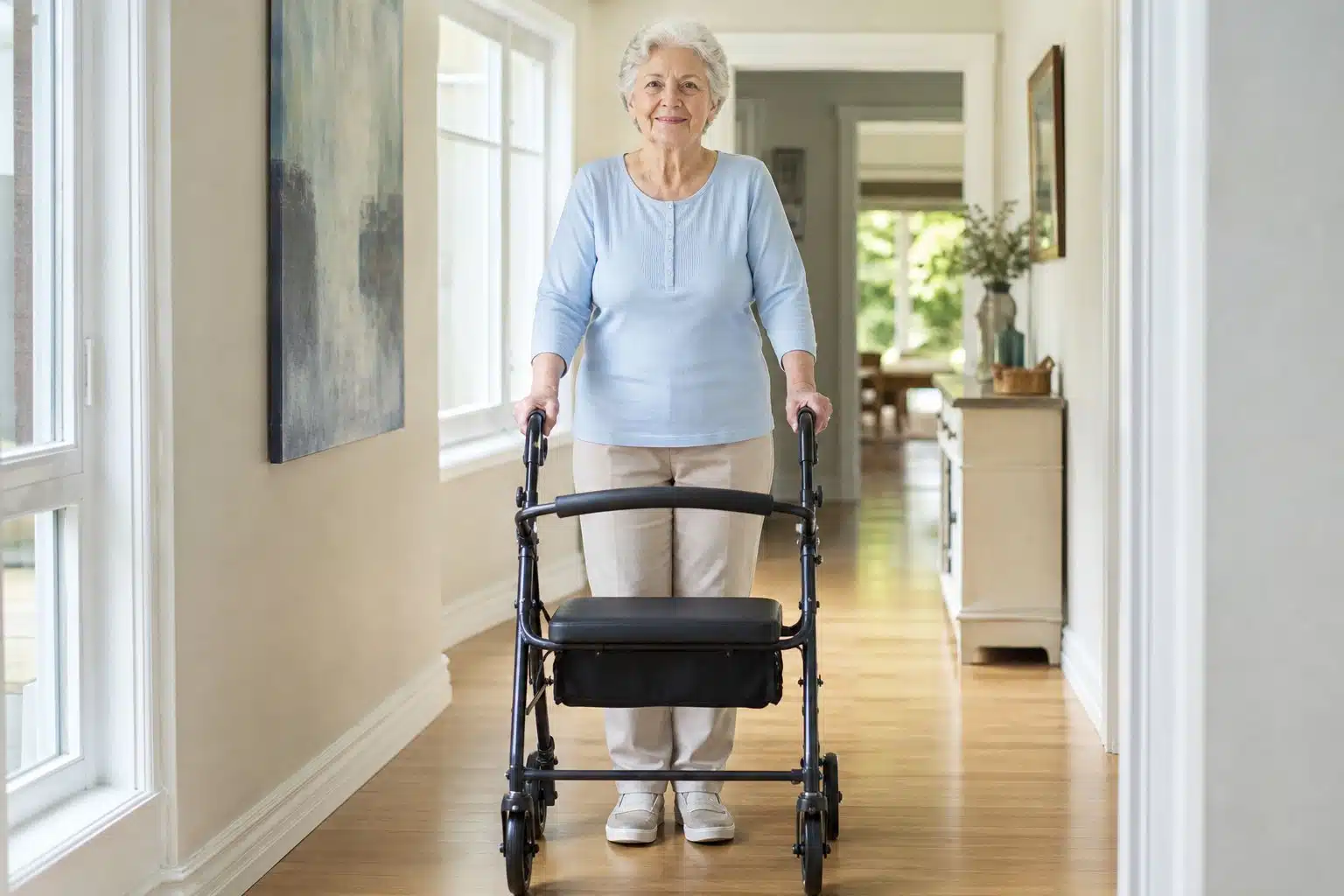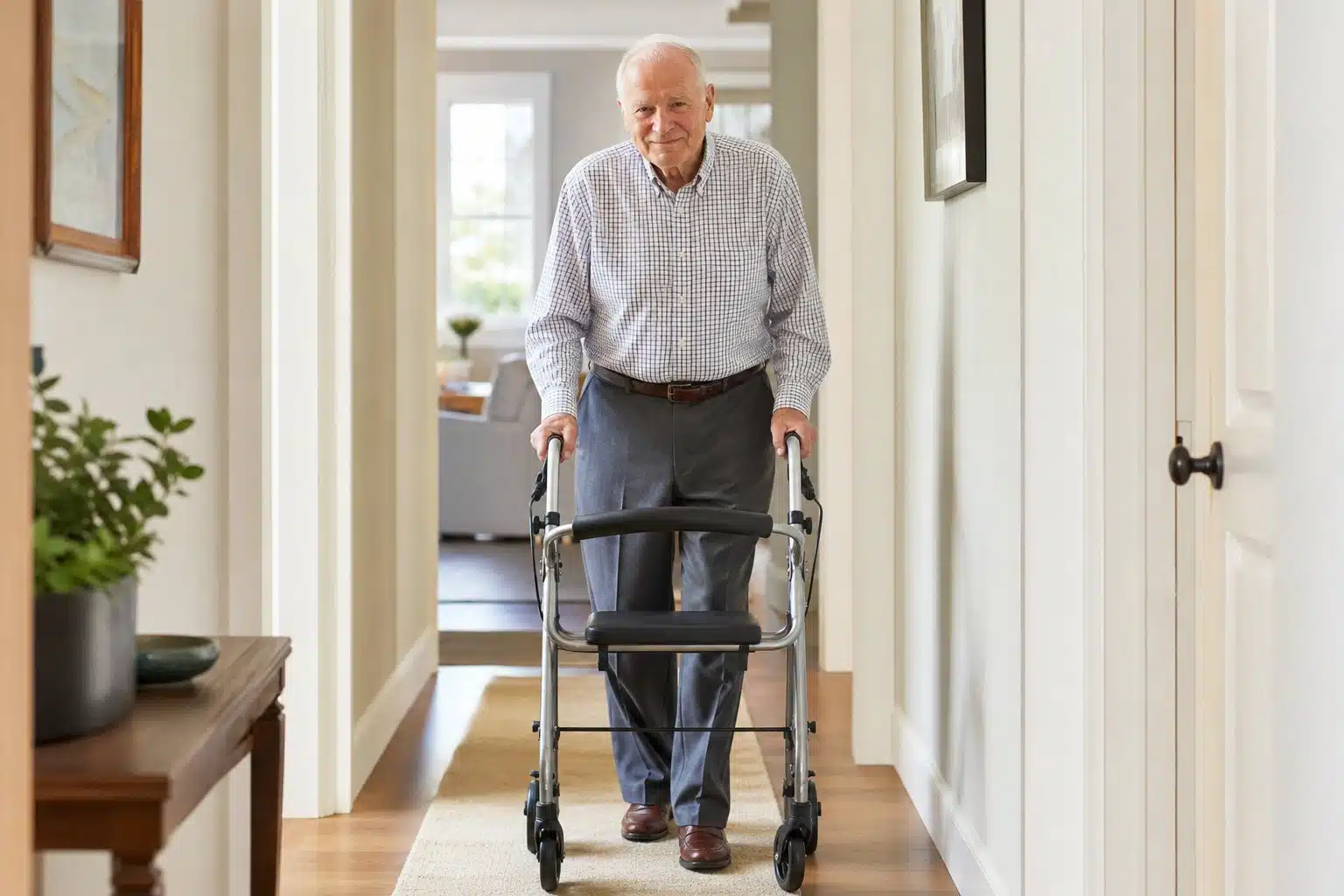

Aging in Place Home Modifications: What to Prioritize First is a question many older adults and families face when preparing a home for safer, more independent living.
If you’re helping an elderly parent stay at home or planning for your own future, this guide explains which improvements deserve attention first, based on established fall prevention and home accessibility guidance.
You don’t need to remodel the entire house. In many homes, a few sensible changes make daily activities safer without spending thousands of dollars.
The trick is knowing where to start.
Quick Comparison: Which Home Modifications Should Come First?
| Home modification | Best for | Priority | Cost level |
|---|---|---|---|
| Remove trip hazards | Most older adults | Immediate | Low |
| Improve home lighting | Poor visibility and nighttime safety | Immediate | Low |
| Install bathroom grab bars | Balance and transfer support | High | Low to moderate |
| Add non-slip bathroom surfaces | Wet floors and shower safety | High | Low to moderate |
| Improve stair handrails | People who use stairs | High | Low to moderate |
| Add toilet safety rails | Difficulty sitting and standing | High if needed | Low to moderate |
| Install threshold ramps | Wheelchair or walker access | High if needed | Low to moderate |
| Replace a bathtub with an accessible shower | Difficulty stepping into a tub | Medium to high | High |
| Widen doorways | Wheelchair access | As needed | High |
| Install a stair lift | Difficulty accessing another floor | As needed | High |
These are general priorities. Someone who uses a wheelchair may need entrance modifications before anything else. Another person who struggles with balance may benefit most from bathroom safety improvements.
I would start with the problems affecting daily life rather than the most expensive renovation.
What Are Aging in Place Home Modifications?
Aging in place means continuing to live in your own home as you get older, rather than moving into assisted living or another care setting.
Home modifications for seniors are changes that make everyday activities safer and easier. They range from inexpensive adjustments, such as improving lighting, to larger projects involving bathrooms, stairs, and doorways.
Common examples include installing grab bars, removing raised doorway thresholds, improving floor surfaces, and making frequently used storage easier to reach.
The goal isn’t to make a home look like a medical facility.
It’s to help someone move around, prepare meals, use the bathroom, and manage daily routines with less difficulty.
Some improvements also benefit younger family members and visitors.
According to the CDC’s older adult fall prevention guidance, falls are a major health concern for adults aged 65 and older. Addressing household hazards is one practical part of reducing that risk.
How to Prioritize Aging in Place Home Modifications
Before buying equipment or arranging renovations, I’d recommend walking through the home and looking at how each room is actually used.
A modification that looks sensible on paper isn’t always useful in everyday life.
For example, installing a stair lift won’t solve the problem of an unsafe bathroom. Similarly, buying a shower chair won’t help much if someone cannot safely enter the shower.
Start With Immediate Safety Risks
Look for hazards that present an immediate problem.
These often include loose rugs, poorly lit hallways, slippery bathroom floors, damaged steps, and missing handrails.
Many are relatively inexpensive to address.
Pay particular attention to places where someone has already slipped, stumbled, or needed help.
A previous fall or near miss is a good reason to review that area promptly.
Consider Current Mobility and Balance
Think about how the person moves around the home.
Can they stand comfortably while showering? Do they need to hold furniture when walking? Are stairs becoming difficult? Can they get up from the toilet without struggling?
These answers help identify which accessibility improvements matter most.
If someone uses a walker, wheelchair, or other mobility aid, measure doorways and circulation space before purchasing equipment.
Think About Daily Activities
I would give priority to changes that make essential daily tasks easier.
Using the bathroom, getting out of bed, preparing food, and entering the house usually matter more than modifying a room that’s rarely used.
Watch for repeated difficulties rather than making assumptions about what an older adult needs.
Plan for Future Changes
Mobility can change over time.
Someone who currently walks independently may eventually need a walker or wheelchair. Planning for that possibility can prevent expensive alterations later.
Still, I wouldn’t recommend paying for every possible modification immediately.
Focus on current needs, then consider future accessibility during renovations already being planned.
Priority 1: Reduce Fall Hazards Throughout the Home
For many older adults, fall prevention is the best starting point.
It’s also one of the more affordable ways to improve aging in place home safety.
Remove Loose Rugs and Clutter
Loose rugs are a common household trip hazard, especially when their edges curl or slide across hard flooring.
I’d remove unnecessary throw rugs from busy walkways.
If a rug needs to stay, make sure it’s flat, secure, and doesn’t interfere with a walker or wheelchair.
Keep electrical cords away from walking routes.
Clear shoes, bags, and other objects from hallways and stairs.
The aim is to create an unobstructed route between frequently used rooms.
Improve Lighting
Poor lighting makes obstacles harder to spot, particularly at night.
Useful improvements include brighter bulbs where appropriate, bedside lamps within easy reach, and lighting along the route to the bathroom.
Motion sensor lighting for seniors can be particularly helpful in hallways and closets.
Choose lights that provide enough visibility without producing uncomfortable glare.
Light switches should also be easy to reach from room entrances.
Repair Uneven Flooring
Check for loose carpet, cracked tiles, raised floorboards, and sudden changes in floor height.
Even small changes can catch a shoe or walking aid.
Repair damaged surfaces and consider slip-resistant flooring in areas exposed to water.
Avoid highly polished surfaces that become slippery when wet.
Keep Frequently Used Items Within Reach
Repeatedly climbing on stools or stretching to reach high shelves creates unnecessary risks.
Move everyday items to accessible shelves and drawers.
This simple adjustment is especially useful in kitchens, bedrooms, and utility rooms.
Home Safety Checklist for Seniors
Priority 2: Make the Bathroom Safer
Bathroom modifications for aging in place deserve early attention.
Wet surfaces, confined spaces, and repeated movements between sitting and standing can make bathrooms difficult for someone with reduced mobility.
I would usually look at the shower and toilet first.
Install Properly Secured Grab Bars
Bathroom grab bars for seniors provide a stable handhold when entering a shower, standing up, or moving around the bathroom.
They must be designed for the intended use and installed into suitable structural support or with an approved mounting system.
A towel rail isn’t a substitute.
Suction-mounted handles also shouldn’t be relied upon for full body-weight support unless the manufacturer specifically supports the intended use.
The position matters as much as the bar itself.
An occupational therapist can help determine suitable placement.
Best Bathroom Grab Bars for Seniors
Consider a Shower Chair
Standing throughout a shower can be tiring for someone with limited balance or endurance.
A suitable shower chair allows the person to wash while seated.
Look for a stable frame, appropriate weight capacity, non-slip feet, and dimensions that fit the shower.
Back support and armrests may help some users, although they aren’t necessary for everyone.
Make sure the chair doesn’t obstruct safe entry or exit.
Improve Toilet Accessibility
Low toilets can make sitting and standing difficult.
Depending on the person’s needs, options include toilet safety rails, a suitable raised toilet seat, or replacing the toilet with a comfort-height model.
These aren’t interchangeable solutions.
A raised seat changes the sitting position, while safety rails provide hand support.
Check compatibility, stability, and whether the equipment suits the person’s transfer technique before purchasing.
Consider a Walk-In Shower
Replacing a bathtub with a low-threshold or curbless shower is one of the larger bathroom remodeling projects for senior safety.
It may be worthwhile when stepping over a bathtub wall becomes difficult or unsafe.
A well-designed accessible shower should consider drainage, slip resistance, grab bar placement, and sufficient space for a shower chair or caregiver.
Curbless showers often require more building work than expected, especially where the floor needs modification for drainage.
I would explore smaller safety improvements first unless bathtub access is already a serious problem.
How to Make a Bathroom Safer for Seniors
Priority 3: Improve Stairs and Home Entrances
Stairs and entrances can become significant obstacles as mobility changes.
A person may manage a few indoor steps comfortably but struggle with outdoor steps during wet weather or while carrying shopping.
Check Stair Handrails
Handrails should feel secure and provide continuous support along the stairs where practical.
Loose or poorly positioned handrails need attention.
Consider adding a second handrail where appropriate, particularly when someone needs support on both sides.
Improve stair lighting and make step edges easy to distinguish.
Avoid storing anything on the stairs, even temporarily.
Address Slippery Outdoor Steps
Outdoor steps deserve the same attention as indoor stairs.
Check for worn surfaces, poor drainage, slippery coverings, and uneven paving.
Suitable slip-resistant treatments and secure handrails may improve safety.
Also consider whether the entrance has adequate lighting.
Install Threshold Ramps Where Needed
Small raised thresholds can stop a walker or wheelchair from moving smoothly through a doorway.
A correctly sized threshold ramp may help.
The ramp must match the height difference, available space, mobility equipment, and manufacturer’s instructions.
A ramp that’s too steep can create a new hazard.
Consider a Residential Wheelchair Ramp
Wheelchair ramps for home entrances may be necessary when steps prevent safe access.
Ramp length, slope, landings, handrails, and available outdoor space all affect the design.
The ADA’s accessible route standards commonly use a maximum running slope of 1:12 for ramps within their scope, but ADA requirements don’t automatically apply to every private residence.
Residential design should account for local building requirements and the wheelchair user’s abilities.
For larger ramps, professional assessment is sensible.
How to Choose a Wheelchair Ramp for Your Home
Think Carefully Before Buying a Stair Lift
Stair lifts can help some people access upper floors, but they’re expensive and require careful assessment.
The staircase must accommodate the equipment safely.
The person must also be able to transfer onto and off the seat.
For some households, moving the bedroom to the ground floor may be more practical.
A stair lift should solve a genuine accessibility problem rather than being purchased simply as a precaution.
Priority 4: Improve Bedroom Safety and Accessibility
Bedroom safety modifications for seniors often receive less attention than bathrooms.
Yet getting into bed, standing up at night, and reaching the bathroom can become difficult.
Make the Bed Easier to Use
Bed height matters.
A bed that’s too low may make standing difficult. A bed that’s too high may prevent someone from placing their feet firmly on the floor.
The correct height depends on the person’s mobility and transfer technique.
An adjustable bed may help some individuals, but isn’t essential for everyone.
Bed rails also need careful consideration because unsuitable rails can create entrapment risks.
Create a Clear Route to the Bathroom
Remove furniture that blocks walking routes.
Make sure doors open fully and mobility aids can pass through comfortably.
A nightlight or motion-activated light may improve visibility.
Keep a phone or emergency call device within easy reach if needed.
Organize Clothing and Storage
Move frequently worn clothes to drawers and rails that are easy to access.
Avoid storage arrangements that require climbing or excessive bending.
If someone uses a wheelchair, consider whether wardrobe doors and drawer handles are practical from a seated position.
Priority 5: Make the Kitchen Easier to Use
Kitchen modifications for aging in place don’t always require replacing cabinets or appliances.
I’d begin by looking at which tasks cause difficulty.
Preparing food should be manageable without repeated stretching, awkward lifting, or standing for longer than someone can tolerate.
Improve Access to Everyday Items
Keep plates, cups, pans, and frequently used ingredients within comfortable reach.
Pull-out drawers and shelves may be easier to use than deep cupboards.
Avoid placing heavy items above shoulder height.
Consider Safer Work Surfaces
Someone who tires easily may benefit from a stable seated work area.
Wheelchair users may need knee clearance beneath suitable counters.
Larger renovations might involve lowering selected worktops or adapting sink access.
These changes should match the person’s reach and mobility rather than relying on standard dimensions alone.
Review Appliance Safety
Look for appliances with clear controls and easy-to-read displays.
An induction cooktop may be useful in some homes because it doesn’t use an open flame, although the cookware and cooking surface can still become hot.
Automatic shutoff features can also help reduce certain risks.
Choose appliances based on how the person cooks and which controls they can use comfortably.
Priority 6: Plan for Future Mobility Needs
Some home accessibility improvements are best considered before they’re urgently needed.
That doesn’t mean installing everything now.
The sensible approach is to identify potential problems and avoid making renovations that create more barriers later.
Check Doorway Widths
Standard doorways may be too narrow for some wheelchairs.
Measure the actual clear opening rather than relying on the nominal door size.
Also check turning space, hallway width, and access to essential rooms.
Sometimes changing door hardware or fitting offset hinges provides extra clearance.
Other homes require structural doorway widening.
Consider Single-Level Living
If a house has multiple floors, think about whether essential activities can eventually take place on one level.
A ground-floor bedroom and accessible bathroom may reduce reliance on stairs.
For some families, this is more practical than installing mechanical lifting equipment.
Plan Accessible Bathroom Renovations
If a bathroom renovation is already scheduled, consider future grab bar locations, shower access, and maneuvering space.
Adding suitable wall reinforcement during renovation may be easier than opening finished walls later.
This is one area where planning ahead can save unnecessary work.
Affordable Aging in Place Home Modifications
You don’t need a large renovation budget to make useful changes.
I’d separate improvements into three spending levels.
Low-Cost Changes
These are sensible starting points for many homes.
- Remove loose rugs and clutter.
- Improve lighting in hallways and bathrooms.
- Reorganize cupboards and drawers.
- Replace damaged non-slip mats.
- Fit suitable nightlights.
- Repair minor flooring hazards.
- Improve visibility on stair edges.
Many of these changes require little building work.
Moderate-Cost Improvements
These may involve buying equipment or arranging professional installation.
Examples include securely mounted grab bars, toilet safety rails, shower chairs, improved handrails, and small threshold ramps.
The equipment itself may be affordable, but installation and suitability matter.
A poorly fitted grab bar is worse than no reliable handhold because someone may trust the support when they need it most.
Higher-Cost Renovations
Larger projects include curbless showers, doorway widening, stair lifts, permanent wheelchair ramps, and accessible kitchen remodeling.
These deserve more planning.
Before committing, compare the cost with the expected benefit and consider whether a less extensive solution would meet the person’s needs.
When to Consider Professional Home Modifications
Some changes are straightforward.
Others require specialist advice, particularly when a person has significant mobility limitations or uses complex equipment.
Occupational Therapist Assessments
An occupational therapist can assess how someone manages daily activities within their home.
They may recommend equipment, changes to room layouts, or alterations to support safer movement.
I would particularly recommend an assessment after repeated falls, a major change in mobility, or difficulties with essential tasks.
The American Occupational Therapy Association provides information about occupational therapy and its role in supporting daily living.
Choosing Qualified Installers
Structural modifications, electrical work, plumbing changes, and permanently installed accessibility equipment should be handled by suitably qualified professionals.
Ask installers about relevant experience with accessible homes.
For grab bars and ramps, confirm that the proposed installation meets the equipment manufacturer’s requirements and applicable local codes.
Financial Assistance for Home Modifications
Some US households may qualify for assistance through state or local programs, nonprofit organizations, or certain veteran benefits.
Availability depends on location, eligibility, and the type of modification.
Your local Area Agency on Aging is a useful starting point.
The federal Eldercare Locator can help connect older adults and caregivers with local support services.
Medicare generally doesn’t cover routine home renovations simply to improve accessibility, although coverage rules for certain medical equipment and individual Medicare Advantage benefits differ.
Check eligibility before arranging work on the assumption that insurance will pay.
Aging in Place Home Assessment Checklist
Use this checklist to decide which areas need attention.
I’d suggest walking through the home with the person who lives there rather than making decisions without their input.
| Area | What to check | Priority |
|---|---|---|
| Hallways | Loose rugs, clutter, poor lighting | Immediate |
| Living room | Clear walking routes and stable furniture | Immediate |
| Bathroom | Slippery surfaces, grab bar needs, toilet access | High |
| Shower | Safe entry, seating needs, secure supports | High |
| Stairs | Handrails, lighting, damaged steps | High |
| Entrance | Steps, thresholds, uneven paths | High |
| Bedroom | Bed height, nighttime access, clear pathways | High |
| Kitchen | Accessible storage, safe appliance use | Medium |
| Doorways | Width for walkers or wheelchairs | As needed |
| Future renovations | Ground-floor living and accessible layouts | Long term |
Questions to Ask During Your Assessment
Consider these practical questions:
- Has anyone fallen or nearly fallen in this area?
- Does the person need to hold furniture for support?
- Can they enter and leave the bathroom safely?
- Are essential items within comfortable reach?
- Can they move between rooms using their usual mobility aid?
- Is the home adequately lit after dark?
- Would a simple change solve the problem?
- Does the proposed modification suit the person’s current abilities?
- Is professional advice needed?
- Will the improvement still be useful if mobility changes?
Mark any problem that creates an immediate danger and deal with those first.
A Practical Home Modification Plan
Rather than tackling everything at once, I’d organize improvements into three stages.
Stage 1: Immediate Safety Improvements
Start with hazards that are inexpensive or straightforward to address.
Clear walkways, remove loose rugs, improve lighting, repair damaged flooring, and arrange repairs to unsafe handrails.
Address urgent hazards promptly.
These changes can make a difference without a major renovation.
Stage 2: Essential Accessibility Improvements
Next, focus on tasks that are becoming difficult.
This might involve bathroom grab bars, a shower chair, toilet safety rails, improved entrance access, or other suitable mobility equipment.
An occupational therapist can help identify the safest choices.
Stage 3: Long-Term Home Renovations
Finally, plan larger changes.
Consider accessible showers, permanent ramps, wider doorways, stair lifts, or ground-floor living arrangements.
These projects should reflect the person’s likely needs, available budget, and the home’s layout.
There’s no benefit in installing expensive equipment that won’t be used.
Common Questions About Aging in Place Home Modifications
What home modifications should seniors prioritize first?
Start by removing trip hazards, improving lighting, and addressing unsafe stairs or bathroom conditions. If someone already struggles with mobility, prioritize the changes needed for safe access to essential rooms.
What is the most important room to modify for aging in place?
The bathroom is often a high priority because wet surfaces and transfers can increase fall risks. The most important room depends on the person’s abilities and where difficulties already occur.
How much do aging in place home modifications cost?
Simple improvements such as lighting and clutter removal may cost very little. Professionally installed equipment and structural renovations can cost considerably more, so obtain local quotes before setting a budget.
Can seniors get financial help for home modifications?
Some state, local, nonprofit, and veteran programs provide assistance to eligible households. Contact your Area Agency on Aging or the Eldercare Locator to find programs serving your area.
Should I hire an occupational therapist before remodeling?
An occupational therapist is particularly helpful when someone has experienced falls, uses a wheelchair, or struggles with daily activities. An assessment can help prevent spending money on modifications that don’t meet the person’s needs.
Final Thoughts: Start With Safety, Then Accessibility
If I were helping a family member prepare their home for aging in place, I wouldn’t begin with a complete bathroom renovation or an expensive stair lift.
I’d start by checking the everyday problems.
Can they walk safely between rooms? Use the bathroom comfortably? Get out of bed without struggling? Enter and leave the house without unnecessary difficulty?
Those answers should guide the first improvements.
For most households, the sensible order is to remove immediate hazards, improve essential accessibility, and plan larger renovations around actual mobility needs.
Aging in place works best when the home supports the person living there, rather than expecting them to adapt to an increasingly difficult environment.
For further guidance, the National Institute on Aging offers practical information about growing older at home and planning for changing needs.