
Finding the Best Walking Shoes for Seniors With Balance Problems starts with understanding what makes footwear feel secure, comfortable and stable.
If you’re an older adult who feels unsteady when walking, or you’re helping an elderly parent choose safer shoes, I’ve researched five popular options worth considering.
I’ve based these recommendations on manufacturer-described features, shoe construction and suitability for different walking needs. I haven’t personally tested these shoes, and no footwear can guarantee protection against falls.
Best Walking Shoes for Seniors With Balance Problems Compared
| Walking shoe | Best for | Weight | Price tier |
|---|---|---|---|
| New Balance 928v3 | Overall walking stability | Varies by size | Premium |
| Brooks Addiction Walker 2 | Supportive everyday walking | Varies by size | Mid to premium |
| HOKA Gaviota 5 | Cushioned stability | Varies by size | Premium |
| Orthofeet Tilos | Easy-on orthopedic footwear | Varies by size | Premium |
| ASICS GEL-KAYANO | Supportive exercise walking | Varies by model and size | Premium |
My first choice to investigate would be the New Balance 928v3 for dedicated walking support. For someone who struggles to bend down or tie laces, I’d look at the Orthofeet Tilos instead.
How to Choose Walking Shoes for Seniors With Balance Problems
Good walking shoes should hold your feet securely without making every step feel difficult. I wouldn’t automatically choose the softest or most expensive pair.
For seniors with balance difficulties, fit, traction and sole construction deserve more attention than appearance.
Look for a wide, stable base
Shoes with a reasonably broad sole can provide a more stable platform underfoot. A narrow heel or an unusually tall sole may feel less predictable, particularly when turning or walking across uneven surfaces.
I’d look at the width of the outsole around the heel and forefoot. A shoe shouldn’t feel as though your foot is balancing on top of a thick cushion.
Choose soles with appropriate grip
Non slip walking shoes for seniors need traction suited to the surfaces they’ll encounter.
Rubber outsoles with suitable tread patterns are useful features to look for, but a shoe that grips dry pavement may perform differently on wet tiles or polished indoor floors.
Check whether the manufacturer makes a specific slip-resistance claim and whether that claim includes testing.
Check the heel support
A firm heel counter helps keep the back of the foot positioned inside the shoe.
Try gently squeezing the back of a shoe. Some structure is desirable, although the appropriate amount depends on the wearer.
If the heel moves up and down while walking, the shoe may be too loose or the fastening may need adjustment.
Avoid excessive cushioning
Soft shoes can feel wonderful while you’re sitting down. Walking is another matter.
Very thick or highly compressible cushioning may make the ground feel less predictable for some people with balance problems.
I’d prioritize controlled, comfortable cushioning over an unusually soft sole. Some rocker-shaped shoes also require an adjustment period.
Make sure the shoes fasten securely
Laces and adjustable straps allow you to control how tightly the shoe fits.
Hands-free shoes are useful for people with arthritis or limited mobility, but they still need to hold the heel securely.
Loose slip-ons that move around your feet aren’t a sensible choice for someone already feeling unsteady.
Get the width and size right
Your toes need enough room to move without being squeezed. Your heel should stay in place.
If your feet swell during the day, try shoes when swelling is usually greatest. Measure both feet, since one may be larger.
People with neuropathy or reduced foot sensation should pay particular attention to pressure points, seams and fit. A podiatrist can help identify suitable footwear.
For more ideas about making everyday movement safer, see : Home Safety Tips for Seniors.
New Balance 928v3: Best for Overall Walking Stability
The New Balance 928v3 is my top choice to consider for seniors who want a traditional walking shoe with structured support.
Engineered with motion control technology to provide superior stability and alignment for walkers who need extra support with each stride
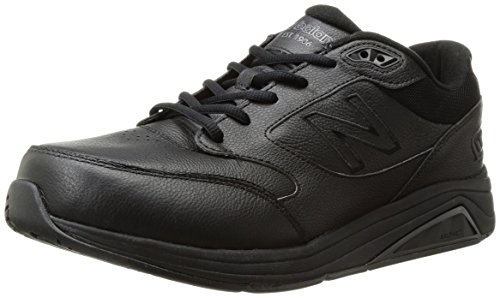
Unlike many fashionable walking sneakers, this shoe focuses on controlling foot movement. New Balance uses its ROLLBAR stability system to help manage rearfoot motion, while ABZORB cushioning helps absorb impact.
The leather upper provides structure, and the removable footbed allows room for suitable replacement insoles.
Another reason I’d shortlist this shoe is the range of widths. Finding comfortable walking shoes for elderly adults with wide feet can be frustrating, especially when standard shoes squeeze the toes.
What works
The combination of motion control and adjustable laces makes this a sensible starting point for someone who wants a secure walking shoe.
The rubber outsole, structured heel and wide-fitting options are useful features.
New Balance lists a weight of approximately 15.5 ounces for one men’s reference version, so this isn’t an especially lightweight option.
What doesn’t
The relatively substantial construction won’t suit everyone. Some seniors may prefer something lighter.
The traditional lace fastening can also be awkward for people with painful hands or limited flexibility.
Who it suits
I’d recommend considering the New Balance 928v3 for older adults who walk regularly, need additional rearfoot support or struggle to find shoes wide enough for their feet.
For people with pronounced balance problems, a podiatrist should check whether the shoe’s motion-control design suits their walking pattern.
Brooks Addiction Walker 2: Best for Slip-Resistant Everyday Walking
The Brooks Addiction Walker 2 stands out for one reason that matters to many older adults: its outsole has a documented slip-resistance certification.
THIS WOMEN’S SHOE IS FOR: Designed for long days on your feet, this lace-up walking shoe offers reliable cushioning, all-day wearability, and trusted stability. The Brooks Addiction Walker 2 is a certified PDAC A5500 Diabetic shoe and has been granted the APMA Seal of Acceptance.
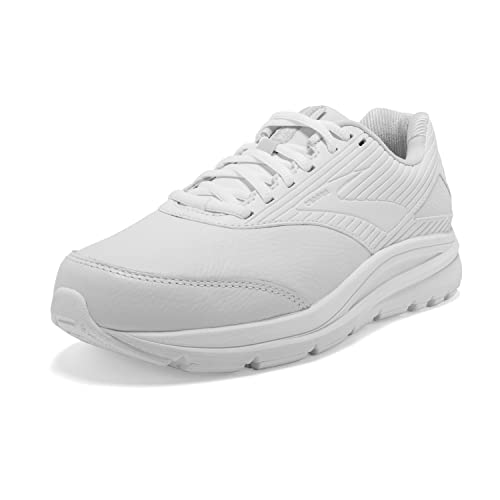
Brooks states that the outsole meets SATRA TM144:2011 slip-resistance testing. That gives buyers a more specific claim to consider than vague descriptions of excellent grip.
The shoe also includes an Extended Progressive Diagonal Rollbar, designed to provide structured support and guide foot movement.
It’s a traditional walking shoe with a leather upper, supportive cushioning and lace fastening.
What works
I like the combination of a tested slip-resistant outsole and structured support.
The leather upper also gives the shoe a more substantial feel than a thin fabric sneaker.
For seniors walking around shops, along sidewalks or through indoor public spaces, the Brooks deserves consideration.
What doesn’t
This isn’t the lightest shoe in the comparison. Brooks lists the men’s version at approximately 14.5 ounces.
The design is also fairly traditional, and the laces require some hand coordination.
Although the outsole is tested for slip resistance, no shoe grips every surface equally well. Wet tiles, ice and contaminated floors still require care.
Who it suits
This would be my first shoe to investigate for seniors who prioritize slip-resistant footwear for everyday walking.
It’s particularly interesting for people who want supportive walking shoes rather than heavily cushioned running sneakers.
HOKA Gaviota 5: Best for Cushioned Stability
The HOKA Gaviota 5 takes a different approach from the New Balance and Brooks.
Delivering inherent stability without compromising cushioning

It’s a stability running shoe with generous cushioning, a broad platform and HOKA’s H-Frame support design.
That combination makes the Gaviota interesting for older adults who want a cushioned shoe for regular walks.
The Gaviota 5 is also designed to guide foot movement without relying on a traditional rigid medial post.
What works
The broad outsole platform and supportive construction are appealing features.
I’d consider the Gaviota 5 for seniors who find firmer walking shoes uncomfortable, particularly during longer walks on pavement.
The cushioning may help reduce the harsh feeling of repeated impacts.
What doesn’t
The thick midsole is my biggest reservation.
Some people with balance difficulties feel less secure in highly cushioned shoes, especially if they’re accustomed to thinner soles.
The rocker-shaped sole can also feel unfamiliar when standing still or walking slowly.
I’d be cautious about choosing this shoe for someone who frequently loses their balance or shuffles their feet.
Who it suits
The Gaviota 5 is worth considering for active older adults who want cushioning alongside stability features.
I wouldn’t make this my automatic recommendation for someone with significant balance impairment. Trying the shoe on a level surface first is essential.
Orthofeet Tilos: Best for Easy-On Orthopedic Footwear
The Orthofeet Tilos is worth investigating if putting shoes on has become almost as difficult as walking in them.
Hands-Free Water-Repellent Slip-On Stretchable Walking Shoes with Soft and Padded Cushioning, Arch Support, Wide Toe Box
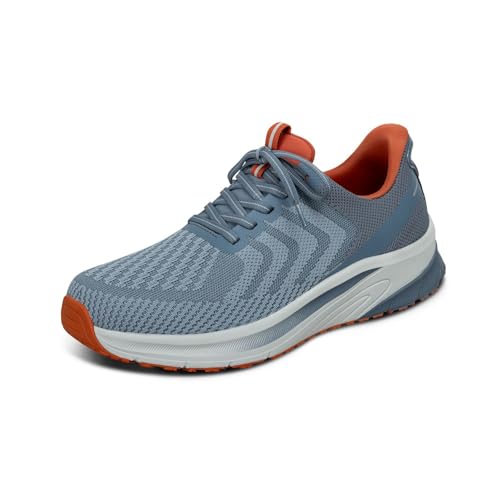
Its main attraction is the hands-free entry design, which aims to reduce the need to bend down or struggle with conventional laces.
For seniors with arthritis, back stiffness or limited hand mobility, that can make daily dressing easier.
Orthofeet also markets the Tilos as an orthopedic sneaker with comfort-focused features.
What works
The hands-free design is the most practical advantage.
A shoe that someone can put on independently may encourage them to wear proper footwear rather than walking around in loose slippers.
I’d also look closely at the available sizing and width options, particularly for someone with swollen feet.
What doesn’t
Hands-free entry doesn’t automatically mean secure heel retention.
That’s the first thing I’d check.
If the heel slips when walking, the shoe isn’t suitable regardless of how easy it is to put on.
I’d also want to examine the outsole and cushioning in person before recommending this model to someone with serious balance difficulties. I haven’t verified a model-specific slip-resistance certification.
Who it suits
I’d shortlist the Orthofeet Tilos for seniors who struggle with conventional shoe fastening and want easier everyday footwear.
For someone who needs maximum foot stability, I’d compare the heel fit carefully against a traditional lace-up walking shoe.
ASICS GEL-KAYANO: Best for Supportive Exercise Walking
The ASICS GEL-KAYANO series is designed primarily for running, but its stability-focused construction also makes certain versions interesting for walking.
Foam midsole is combined with a higher midsole stacking height while reducing weight to provide a more balanced experience.
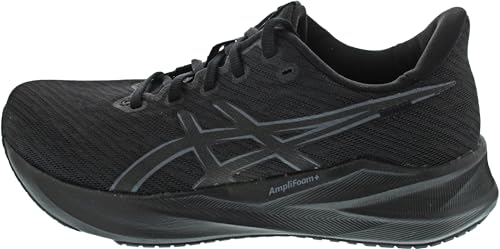
The range uses cushioning and guidance features intended to help manage foot movement.
For older adults who remain active and enjoy longer walks, the GEL-KAYANO deserves a look.
One important detail: ASICS changes the construction between generations. Check the exact model number and specifications before buying.
What works
The GEL-KAYANO range combines cushioning with structured support features.
I particularly like the idea of this shoe for an active senior who wants footwear for regular exercise walking rather than occasional short trips around the house.
The lace-up design also allows the fit to be adjusted.
What doesn’t
The cushioning and sole geometry won’t suit every person with poor balance.
Like the HOKA Gaviota, some GEL-KAYANO versions have substantial midsoles. That may be uncomfortable for someone who needs a firmer connection with the ground.
These shoes are also designed for running, so I’d check the outsole and walking feel rather than assuming that running stability translates directly into fall prevention.
Who it suits
I’d consider the ASICS GEL-KAYANO for active older adults who want a supportive athletic shoe.
For seniors with pronounced instability, shuffling or frequent falls, I’d favor a professional footwear assessment before choosing this type of shoe.
Which One Should You Buy?
Choosing between these five shoes depends on how you walk, what causes discomfort and which features matter most.
Best for seniors who need structured support
I’d start with the New Balance 928v3.
Its motion-control design, supportive construction and width options make this my preferred candidate for a dedicated walking shoe.
That doesn’t mean the shoe will improve every person’s balance. Proper fit and individual walking needs come first.
Best for seniors concerned about slipping
I’d choose the Brooks Addiction Walker 2 as the first model to investigate.
Its documented slip-resistance testing gives buyers useful information about the outsole.
It’s still important to remember that slip-resistant footwear cannot eliminate the risk of falling.
Best for active seniors who enjoy longer walks
I’d compare the HOKA Gaviota 5 and ASICS GEL-KAYANO.
Both offer stability-oriented designs with substantial cushioning.
My preference would depend on how each shoe feels during walking, particularly when turning and changing direction.
Best for seniors who struggle to put shoes on
The Orthofeet Tilos deserves consideration.
Its hands-free design addresses a genuine everyday problem.
Just make sure the heel stays secure once the shoe is on.
Best for seniors on a tighter budget
None of these five is specifically a budget shoe.
I’d look for a discounted previous-season model of the Brooks or New Balance before sacrificing fit or support to save money.
A less expensive shoe that fits securely is a better purchase than a premium shoe that feels unstable.
What Shoes Should Seniors Avoid to Prevent Falls?
Some footwear designs deserve particular caution when balance is already a concern.
The CDC’s footwear guidance recommends properly fitted shoes with secure fastenings, a firm heel, a broad low heel and textured soles.
Loose slippers and backless shoes
Slippers without secure heel support can move around the foot.
Backless shoes and loose slides may also slip off or require the wearer to grip with their toes to keep them in place.
For indoor walking, I’d choose properly fitted shoes with secure heel coverage instead.
High heels and narrow soles
High or narrow heels reduce the stability of the shoe’s base.
Older adults with balance difficulties should generally favor low heels and a broader area of contact with the ground.
Shoes with worn-out soles
Even a good walking shoe becomes less useful when the outsole wears smooth.
Check for uneven wear, damaged heels and reduced tread.
If the shoe leans noticeably to one side or no longer supports the foot properly, consider replacing the pair.
Shoes that are too large
Buying oversized shoes to accommodate swelling isn’t a good solution.
Extra space can allow the foot to slide around, particularly at the heel.
Choose an appropriate width and an adjustable fit instead.
Extremely soft or unstable footwear
Some heavily cushioned shoes feel comfortable when first tried on but make standing and turning more difficult for certain wearers.
I’d avoid assuming that maximum softness means maximum safety.
For additional ways to reduce everyday hazards, see : How to Prevent Falls at Home for Seniors.
Other Ways to Reduce Falls at Home
Footwear is only one part of reducing fall risk.
Balance difficulties may result from muscle weakness, medication side effects, poor vision, neuropathy or other medical conditions.
The CDC recommends discussing fall risks with a healthcare professional, reviewing medications, improving home safety and performing suitable strength and balance exercises.
I’d also pay attention to the walking environment.
Remove loose rugs, keep frequently used walkways clear and make sure stairs and hallways have adequate lighting.
For someone who needs additional assistance, an appropriately fitted walking aid may provide support that footwear alone cannot offer.
You can find related advice in [INTERNAL LINK: Best Walkers for Seniors With Balance Problems].
Common Questions
What are the best walking shoes for seniors with balance problems?
The New Balance 928v3 and Brooks Addiction Walker 2 are two strong candidates based on their structured support and walking-focused designs. The best choice depends on foot shape, walking pattern, comfort and how securely each shoe fits.
What are the best shoes for elderly people to prevent falls?
Look for low heels, secure fastening, a firm heel counter and soles with suitable traction. No particular shoe has been shown here to prevent falls, and anyone experiencing repeated falls should seek a professional assessment.
Are slip-on shoes safe for elderly people with balance problems?
Some slip-on shoes have secure heel structures and may fit well, but loose designs can increase unwanted foot movement. I’d check heel retention carefully and favor adjustable fastening where possible.
Are lightweight shoes better for seniors with poor balance?
Lighter shoes may reduce effort during walking, particularly for people who tire easily. Weight isn’t the only consideration, since a slightly heavier shoe with a secure fit and stable construction may feel more comfortable and controlled.
Are orthopedic shoes better than regular walking shoes?
Orthopedic footwear may help people with particular foot conditions, but it isn’t automatically safer for every older adult. A well-fitting regular walking shoe may be suitable, while people with deformities, neuropathy or significant foot pain may benefit from advice from a podiatrist.
My Final Recommendation
If I were narrowing this comparison down to two pairs, I’d start with the New Balance 928v3 and Brooks Addiction Walker 2.
The New Balance is my preferred candidate for structured walking support and wider fitting options. The Brooks is especially interesting for its documented slip-resistant outsole.
For someone who struggles with laces, I’d consider the Orthofeet Tilos, provided the heel fits securely.
The main thing I’d avoid is choosing shoes purely because they’re advertised as orthopedic, cushioned or designed for seniors.
A secure fit, suitable traction and comfortable walking feel matter more than the label on the box.
For further guidance, see the CDC’s older adult fall prevention resources and its Feet and Footwear for Older Adults guide.